A few years ago, exporting a simple video could feel surprisingly complicated. You open a video editor, finish your project, and then get stuck at the final step: choosing the right format. MP4, MOV, MKV, AVI each option sounds technical, but it’s rarely clear what actually matters. Many creators pick random settings, only to realize later that their video looks worse, takes too much space, or fails to upload properly on platforms like YouTube or TikTok. As video content continues to dominate social media and mobile usage, choosing the right format is no longer just a technical detail - it directly affects quality, file size, and how easily your content can be shared across devices. This guide breaks down the best video formats for YouTube, TikTok, and mobile devices in a simple, practical way so you can always make the right choice without confusion.
What is a video format?
A video format is the way a video file is structured, stored, and encoded so it can be played across different devices such as smartphones, computers, and social media platforms. Common formats like MP4, MOV, MKV, and AVI each handle video data differently, which affects quality, file size, and compatibility.
Think of a video format as a container that holds all the elements of a video - visuals, audio, subtitles, and metadata. The same video can behave differently depending on the format you choose, especially in terms of playback quality and how easily it can be shared or uploaded online.
Understanding what a video format actually is helps you make better decisions before exporting or uploading content to platforms like YouTube, TikTok, or mobile devices.
Why Choosing the Right Video Format Matters
Choosing the right video format is more important than it may seem. It affects several key aspects of your video performance:
-
Video quality and how clearly it appears on different screens
-
File size, which impacts storage and sharing speed
-
Upload speed to platforms like YouTube or TikTok
-
Playback smoothness across devices and apps
-
Overall compatibility with different platforms and operating systems
For example, a format that works well on mobile may not upload smoothly to YouTube or could lose quality when shared on TikTok.
Using the wrong format can also lead to:
-
Poor viewing experience for your audience
-
Longer processing or upload times
-
Failed or corrupted uploads on certain platforms
That’s why choosing the right video format is a crucial step to ensure your content performs well everywhere.
Common Video Formats You Should Know
There are several video formats used today, but a few dominate most editing, uploading, and sharing workflows. Each format has its own strengths and is designed for different purposes depending on quality, file size, and compatibility.
-
MP4 (MPEG-4 Part 14): The most widely used format, known for balancing good quality and small file size. It works almost everywhere, including YouTube, TikTok, and mobile devices.
-
MOV (QuickTime File Format): Developed by Apple, commonly used in professional video editing. It offers high quality but usually results in larger file sizes.
-
MKV (Matroska Video): A flexible format that can store multiple audio tracks, subtitles, and high-quality video in one file. Often used for movies and high-resolution content.
-
AVI (Audio Video Interleave): An older format from Microsoft. It offers good compatibility with older systems but tends to produce very large files.
-
WMV (Windows Media Video): Designed for Windows devices, optimized for small file sizes, but with lower flexibility and limited cross-platform support.
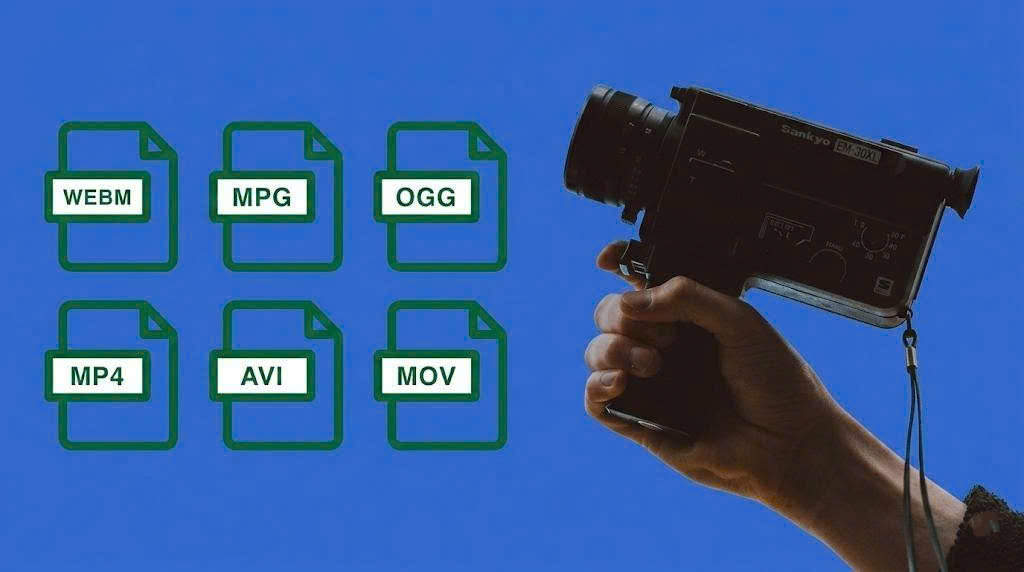
Each format has its own strengths and is designed for different purposes depending on quality, file size, and compatibility.
Understanding these formats helps you quickly identify which one fits your needs before diving deeper into comparisons and use cases.
|
Criteria |
MP4 |
MOV |
MKV |
AVI |
WMV |
|
Video quality |
High |
Very high |
Very high |
Medium |
Medium |
|
File size |
Small |
Large |
Large |
Very large |
Small |
|
Device compatibility |
Very high |
High (best on Apple) |
Medium |
Medium |
Low |
|
Editing support |
Good |
Excellent |
Good |
Limited |
Limited |
|
Subtitles / multiple tracks |
Yes |
Yes |
Excellent |
Limited |
Yes |
|
Online upload suitability |
Excellent |
Good |
Not ideal |
Not suitable |
Fair |
A quick comparison of the most common video formats to help you choose the best option based on quality, file size, and compatibility.
Best Video Formats for YouTube, TikTok, and Social Media
Choosing the right video format for social media platforms is crucial if you want your content to upload smoothly, play without errors, and maintain good quality. While many formats exist, not all of them are optimized for online sharing.
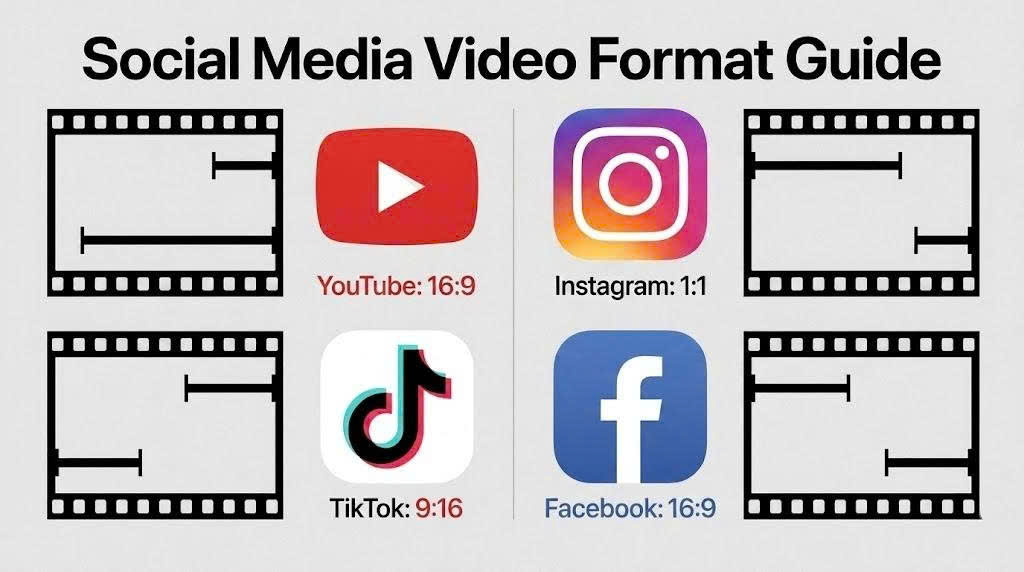
For most social media platforms, MP4 is the recommended standard because it offers the best balance between quality, file size, and compatibility. Platforms like YouTube, TikTok, Instagram, and Facebook are all optimized to process MP4 files efficiently.
Let’s break it down by how each format is used:
-
YouTube: MP4 (H.264 codec, AAC audio) for best compatibility and fast processing
-
TikTok: MP4, especially for vertical short-form videos (9:16 format)
-
Facebook & Instagram: MP4 for smooth playback and faster upload
-
General sharing: MP4 is the safest option across all devices and apps
Platforms like YouTube, TikTok, Instagram, and Facebook are all optimized to process MP4 files efficiently
Other formats like MOV or MKV may still work, but they are not ideal for social media because they often result in larger file sizes or slower upload processing. In short, if your goal is online publishing, MP4 remains the most reliable and platform-friendly choice.
Best Video Formats for Mobile Phones
Mobile devices are the most common tools for recording, editing, and watching videos today. That’s why choosing the right video format is important to save storage space, avoid playback issues, and ensure smooth performance across apps.
In most cases, modern smartphones support a wide range of formats, but MP4 remains the best overall choice thanks to its high compatibility and stable performance on both iOS and Android.
Here’s a simple breakdown by operating system:
iPhone (iOS):
-
Supports both MP4 and MOV very well
-
MOV is commonly used for native camera recording and delivers high quality but larger file sizes
-
MP4 is better for sharing and social media uploads
Android:
-
MP4 is the most optimized format
-
MOV may have compatibility limitations depending on the device or app
-
Heavy formats like AVI or MKV are generally not recommended
Cross-device sharing: MP4 is the safest option since it works smoothly on both iPhone and Android without conversion

MP4 remains the best overall choice thanks to its high compatibility and stable performance on both iOS and Android.
Common Video Format Mistakes
Most video issues don’t actually come from recording quality, but from choosing the wrong format or handling files incorrectly. These mistakes can reduce video quality, increase file size unnecessarily, or even cause upload errors on platforms like YouTube and TikTok.
When dealing with MP4 videos, many users also need a simple way to download or reuse content from social platforms. For example, tools like SnapTik can help quickly download TikTok videos in MP4 format without watermark, making it easier to edit, reference, or repurpose content across different devices.
Here are some common mistakes you should avoid:
-
Converting videos too many times: Converting back and forth between formats (e.g., MP4 - AVI - MP4) can reduce quality due to repeated compression.
-
Choosing a format without considering the platform: Different platforms have different requirements, and the wrong format can lead to playback issues or failed uploads.
-
Focusing only on the format and ignoring the codec: The codec has a direct impact on video quality, not just the file extension.
-
Using outdated formats like AVI for modern use cases: These formats often produce very large files without offering better quality.
-
Exporting with incorrect settings (resolution, bitrate): Wrong export settings can make even high-quality footage look blurry or overly compressed.
In short, most video problems are caused not by the format itself, but by how the file is processed. Understanding these basics helps you maintain video quality and save a lot of time.
Choosing Video Formats Based on Use Cases
There is no single best video format for every situation. Instead, you should choose a format based on your specific use case to ensure the best balance of quality, file size, and compatibility.
-
For YouTube, TikTok, Facebook, Instagram uploads - Use MP4 (H.264 + AAC) for high compatibility, fast uploads, and fewer errors
-
For professional video editing - Use MOV (ProRes) or high-quality MP4 to preserve maximum original data
-
For long-term storage - Use MKV or MP4 (H.265) to save storage space while maintaining good quality
-
For quick sharing via mobile or social media - MP4 is the safest choice since it works on almost all devices
-
For lightweight sharing via email or documents - WMV or compressed MP4 can be used to reduce file size
In short, the best approach is to define your purpose first, then choose the appropriate video format instead of using one format for everything.
Conclusion
There is no single video format that fits every situation, as each format has its own strengths and weaknesses. However, MP4 remains the safest and most widely used option for most everyday needs. If you work on professional editing or high-quality storage, formats like MOV or MKV are also worth considering. The most important thing is to choose a format based on your actual purpose instead of picking randomly. Understanding this will help you optimize video quality and save a lot of time in the process. If you find this guide helpful, feel free to save or share it for future reference when choosing the right video format for your work.