Many TikTok creators focus on content but often overlook music copyright - a small mistake that can lead to serious consequences for both videos and channels. In reality, using even a short copyrighted track incorrectly can result in muted or removed videos. Understanding TikTok music copyright not only helps you avoid risks but also supports long-term content growth. Here are 5 key facts every creator should know before using music on the platform.
Overview of TikTok Music Copyright
TikTok music copyright refers to the legal ownership of songs or audio tracks by the original creator or publishing company. This means not all sounds available on TikTok can be freely used, especially in commercial or promotional content.
In simple terms, every piece of music has a copyright owner, and using it without proper authorization may lead to automatic actions from TikTok’s system.
TikTok music copyright refers to the legal ownership of songs or audio tracks by the original creator or publishing company.
Why should creators care about music copyright?
If you create content on TikTok, here are some real risks you may face:
-
Videos being muted, reducing or completely losing content impact
-
Videos being removed due to copyright violations
-
Accounts receiving warnings if violations occur repeatedly
-
Reduced distribution and limited audience reach
-
Potential impact on the entire channel due to repeated violations
Common misunderstandings about TikTok music
-
Not every sound on TikTok is free to use for any purpose
-
Using a short music clip does not guarantee safety from copyright issues
-
Simply crediting the artist is not enough to make it legally compliant
Music copyright is not only a legal issue but also directly affects video performance and channel growth. Understanding it from the beginning helps creators avoid risks and build more sustainable content on TikTok.
5 Facts About TikTok Music Copyright Every Creator Must Know
Music copyright on TikTok is not only a legal issue but also directly affects content performance and channel growth. Below are 5 important facts that every creator should understand before using music on the platform.
Fact 1: Most music on TikTok is copyrighted
One of the most common misunderstandings among TikTok users is that music on the platform can be used freely. In reality, most songs you see on TikTok are owned by artists, record labels, or distributors and are protected by copyright.
TikTok only grants usage rights to certain songs through its licensed audio library. However, these permissions are often limited depending on usage purposes, especially between personal and business accounts.
Common misconceptions creators have
-
Not every song on TikTok is free to use
-
Trending music does not mean it is copyright free
-
Reusing audio from other videos is not automatically legal
-
TikTok’s music library does not cover full commercial rights
Fact 2: Using short music clips does not help avoid copyright violations
One of the most common misconceptions among TikTok creators is that using only a short music clip will not result in a copyright violation. However, in reality, TikTok’s system does not rely on the length of the audio to determine infringement, but rather on whether the sound is recognized as copyrighted content.
Even if you only use a few seconds of a song, TikTok’s Content ID system can still detect it and automatically take action if the audio is part of its copyright database.
Common misconceptions creators have
-
Using music under 15 seconds is safe
-
Cutting or trimming a track avoids copyright issues
-
Using only the intro or outro will not be detected
-
Short audio clips do not affect ownership rights
Fact 3 Giving credit does not replace copyright
One of the most common misunderstandings among TikTok creators is that simply crediting the artist or the music source in the caption is enough to legally use a song. However, in reality, giving credit does not mean you have been granted permission to use the music.
Music copyright still belongs to the original creator, artist, or rights holder. To use a song legally, you must either obtain direct permission from the owner or use music within the licensed scope provided by TikTok’s official audio library.
Common misconceptions creators have
-
Giving credit to the artist is enough to avoid copyright issues
-
Mentioning the song title makes it legal to use
-
Credit replaces the need for a music license
-
Attribution automatically grants usage rights
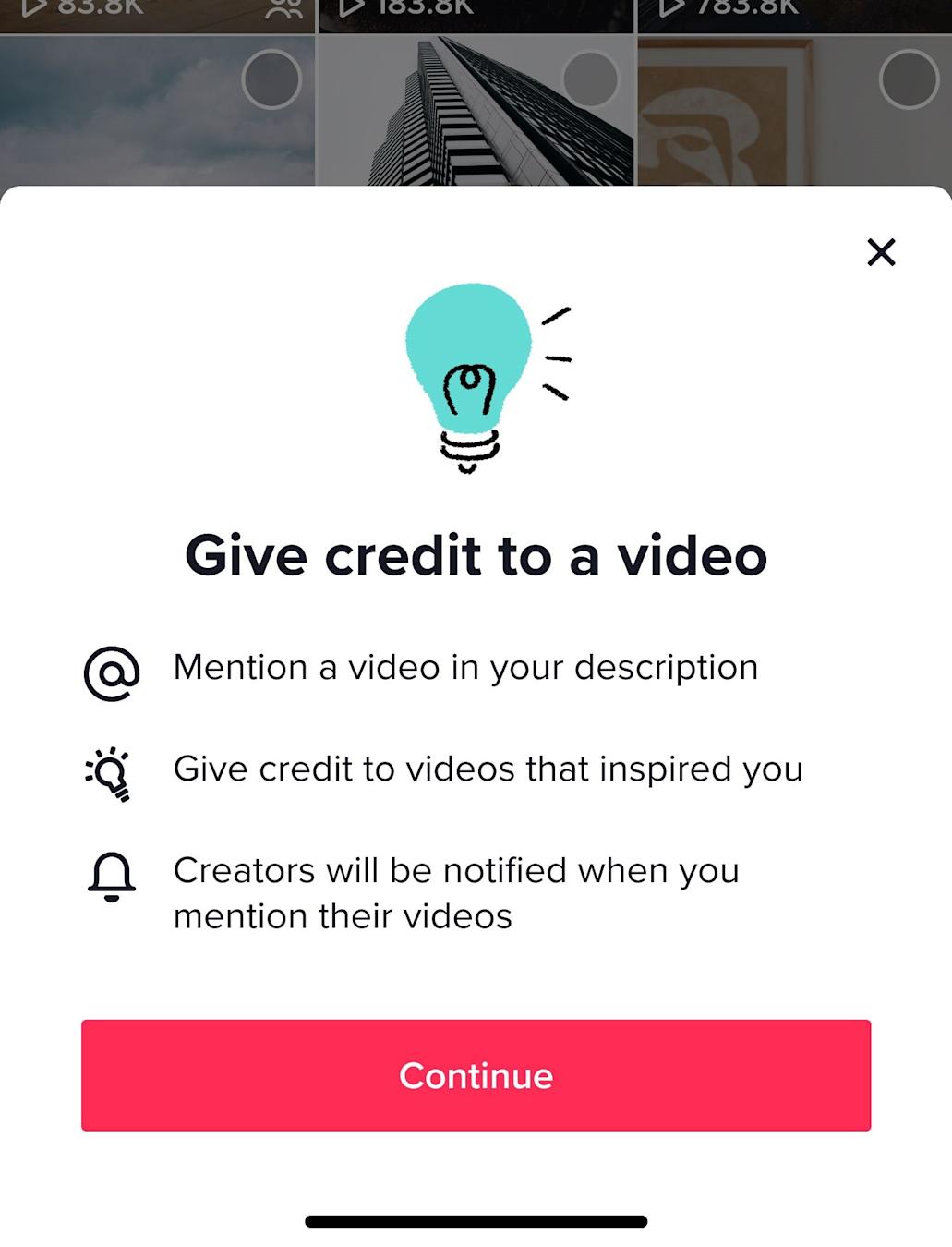
Music copyright still belongs to the original creator, artist, or rights holder
Fact 4 Videos without monetization can still be removed
A common misconception among creators is that only videos made for commercial purposes or monetization are subject to copyright enforcement. However, in reality, even videos posted purely for entertainment without any monetization enabled can still be taken down by TikTok if copyrighted music is used improperly.
TikTok’s system does not distinguish between monetized and non-monetized content when checking copyright. If an audio track is detected as copyrighted and not covered by proper licensing, the platform may still mute the video, limit its distribution, or remove it entirely.
Common misconceptions creators have
-
Only monetized videos are affected by copyright rules
-
Non-commercial content is always safe from enforcement
-
Personal entertainment videos are exempt from copyright policies
-
No earnings means no risk of being flagged
Fact 5 TikTok uses an automated system to scan music copyright
Many creators assume that copyright violations only happen when someone reports a video or when it is manually reviewed. However, in reality, TikTok uses an automated system to scan and detect copyrighted audio as soon as a video is uploaded.
This system works similarly to a Content ID mechanism, which compares the audio in a video against a large copyright database. If a match is detected, the video can be automatically flagged or processed without any human review.
Common misconceptions creators have
-
Copyright issues only happen when someone reports the video
-
Videos are manually reviewed before being flagged
-
Small accounts are less likely to be detected
-
Uploading first means you are safe from copyright detection
How to safely use music on TikTok to avoid copyright violations
After understanding the key facts about TikTok music copyright, the next important step is knowing how to use music correctly. This helps reduce the risk of muted videos, takedowns, or negative impacts on content distribution.
Below are the most common and safe ways creators should use music when making TikTok videos.
Use TikTok’s official music library
This is the safest and simplest method because all songs in TikTok’s library are pre-licensed for use within the platform.
TikTok provides two main types of music libraries:
-
A general music library for personal accounts, mainly for entertainment content
-
A commercial music library for business accounts or promotional content
By choosing the correct library based on your account type, you can significantly reduce the risk of copyright issues. This is the most recommended option for both beginners and professional creators.
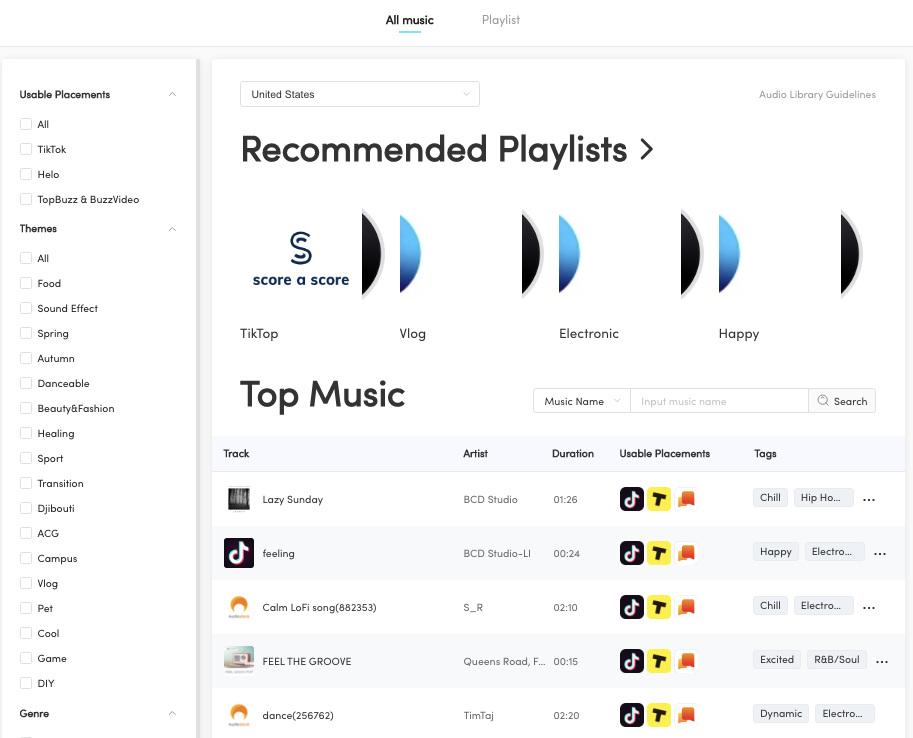
This is the safest and simplest method because all songs in TikTok’s library are pre-licensed for use within the platform.
Use royalty-free music or properly licensed tracks
Royalty-free music refers to audio that you can legally use without paying royalties for each use or view. Some sources may require a one-time payment but allow long-term usage across multiple videos.
When using royalty-free music, you should:
-
Carefully check the license terms (especially whether commercial use is allowed)
-
Keep a copy of the license or proof of permission
-
Prefer reputable platforms that clearly provide usage rights
This method is suitable for professional creators, reviewers, advertisers, and brand-building content.
Avoid using unclear music sources from external platforms
Many creators download music from YouTube, random websites, or re-uploaded sources without checking copyright status. This carries high risks because:
-
There is no clear usage permission
-
The track may already be copyrighted by a third party
-
TikTok’s system may detect and flag it automatically
Some creators also use tools like SnapTik to download TikTok videos without watermark for content reference or creative inspiration. However, this should only be used for analysis purposes, not for re-uploading or reusing copyrighted audio without permission.
Even if a song is trending online, that does not mean it is safe to reuse without proper rights.
Create your own original audio
This is the safest method and is increasingly encouraged by TikTok.
You can:
-
Record your own voice, reviews, or storytelling audio
-
Create original beats or background music
-
Remix or edit sounds in a unique style
A major advantage of original audio is that if it becomes engaging enough, other users may reuse it and turn it into a trend, helping increase your channel’s visibility.
Conclusion
TikTok music copyright is an important factor that every creator needs to understand in order to avoid risks during content creation. Using music incorrectly can lead to videos being muted, reduced reach, or even removed from the platform. Many mistakes come from misunderstandings of basic rules, such as believing that short music clips are safe or that giving credit is enough. In reality, TikTok uses a strict automated copyright detection system. Therefore, using properly licensed music and following platform guidelines will help you build a safer and more sustainable channel. If you want to improve your TikTok content performance, make sure to regularly update your knowledge about copyright and platform policies to avoid unnecessary risks.